
Preparing for Retirement Means Preparing for the Identity Shift It Brings
Who will you be when the roles that defined your life begin to change?

Every year, millions of people devote enormous time and energy to planning for retirement. They calculate savings goals, rebalance investment portfolios, estimate health care costs and decide where they want to live.
Yet there is one question almost no retirement plan prepares us to answer: who will I be when the roles that defined my life begin to change?
I believe that question has become one of the most overlooked challenges of modern aging. As conversations about longevity dominate headlines and financial security rightly remains a priority, we rarely talk about the profound identity shift that follows decades spent building careers, raising families, meeting expectations and caring for everyone else. That silence is striking because retirement itself is increasingly being redefined.
Experts are recognizing that retirement is not simply about leaving work. It is about creating a fulfilling life beyond the career that once defined us. Psychological readiness deserves the same attention as financial readiness. Yet we have become experts at planning for how long we will live, while giving far less thought to how we will live with ourselves.
I recently turned 60, and I see this transition everywhere. Women retiring from successful careers, becoming empty nesters, caring for aging parents while still supporting adult children, or finding themselves divorced, widowed or living solo—all seem to arrive at the same realization. The question isn’t whether they have enough money to enter the next chapter. It’s whether they know who they are once the titles, routines and responsibilities that shaped them for decades begin to loosen their grip.
I don’t see this as a crisis. I see it as an opportunity. We spend the first half of our lives building and achieving. We build careers, families, reputations and identities. But eventually, building gives way to something far more important and exciting: legacy. And I believe that may be the most liberating chapter of all. We can finally celebrate all that we have accomplished and embrace our new possibilities.
For me, this transformation comes down to three relationships that shape how we experience this stage of life: our relationship with ourselves, our relationship with others and our relationship with something greater than ourselves. I have found that when our long-held roles begin to shift, all three relationships need to be rediscovered.
One of the biggest reasons professionals struggle with retirement is identity. For many people, stepping away from work is not simply leaving a job. It means confronting the question of who they are without the role that shaped them for decades. I believe women experience that question even more intensely because our identities have often been built not only around careers but also around caregiving and meeting the expectations of others.
The first relationship is the one many of us neglect for years: the relationship with ourselves. I know I did. As a young mother, I lost myself in the beautiful, consuming reality of raising children. In a toxic work environment, rather than standing my ground, I retreated and lost confidence in myself. Like many women, I became so focused on being what I thought everyone else needed me to be that I stopped asking what I needed.
My generation was encouraged to do it all. We were expected to build successful careers, raise families, support our communities and somehow do it gracefully. For years, I thought that was simply what success looked like. Looking back, I see those decades as the building phase of life. Eventually, though, there comes a moment when building is no longer the assignment. Becoming is.
That shift begins with honesty and self-awareness. I had to ask myself difficult questions. Which dreams were genuinely mine? Which values had I chosen, and which had I simply inherited? At one point, that even meant reconsidering my relationship with the faith community I had grown up in. It wasn’t about rejecting spirituality. It was about finding a relationship with purpose that reflected who I had become rather than who I had been expected to be.
The second relationship is with others, and this is where many women experience the greatest disruption. Children become adults. Retirement changes workplace friendships. Parents age and suddenly need our care. Many women find themselves supporting two generations at once while trying to figure out who they are in the middle of it all. The communities that once defined everyday life quietly change, and with them, our sense of belonging.
Yet I have come to believe these changing relationships are not losses. They are invitations to relate differently. Becoming a grandparent has reminded me that love does not always require control. One of the greatest gifts we can give the next generation is the freedom to raise their families in their own way rather than according to ours. That requires humility, trust and the willingness to let go of the belief that our way is the only way.
The third relationship is with something larger than ourselves. Whether someone calls it God, spirituality or simply a deeper sense of meaning, I have watched many women begin asking bigger questions during this season of life. After decades of living according to expectations, we move from maturity to wisdom. There is finally time to ask what truly brings peace and fulfillment.
Travel has reinforced that lesson for me. Conversations with women in Kenya, Vietnam and Morocco have shown me that while our cultures differ, our deepest questions often do not. We all wonder who we are beyond the roles we’ve been given. We all long to be understood. And we all want the freedom to become more fully ourselves. Curiosity, more than certainty, has become one of the greatest gifts of this stage of life.
The timing of this conversation matters. As longer life expectancy continues to reshape retirement planning, experts are encouraging people to think beyond a retirement date and instead design the life they actually want to live. The question is shifting from “When can I stop working?” to “How can I build the flexibility for the life I want?” I believe that flexibility is not only financial. It is deeply personal.
We spend so much time asking whether we’ve saved enough for retirement that we rarely ask whether we’ve prepared ourselves for the person we’re about to become. I believe that’s the conversation we need to start having.
This chapter of life is not defined by decline. It is defined by possibility. It is the first time many women are free to separate who they are from the roles they have faithfully carried for decades. That freedom can feel unsettling at first. But I’ve come to believe that uncertainty is often the beginning of transformation, not a sign that something has gone wrong.
The most meaningful preparation for the years ahead won’t be found in another financial projection or longevity strategy. It will come from the courage to be honest with ourselves, the curiosity to embrace change and the willingness to redefine success on new terms. We don’t simply retire from the lives we’ve built. If we’re willing to do the inner work, we finally become the people we’ve been waiting to meet all along.

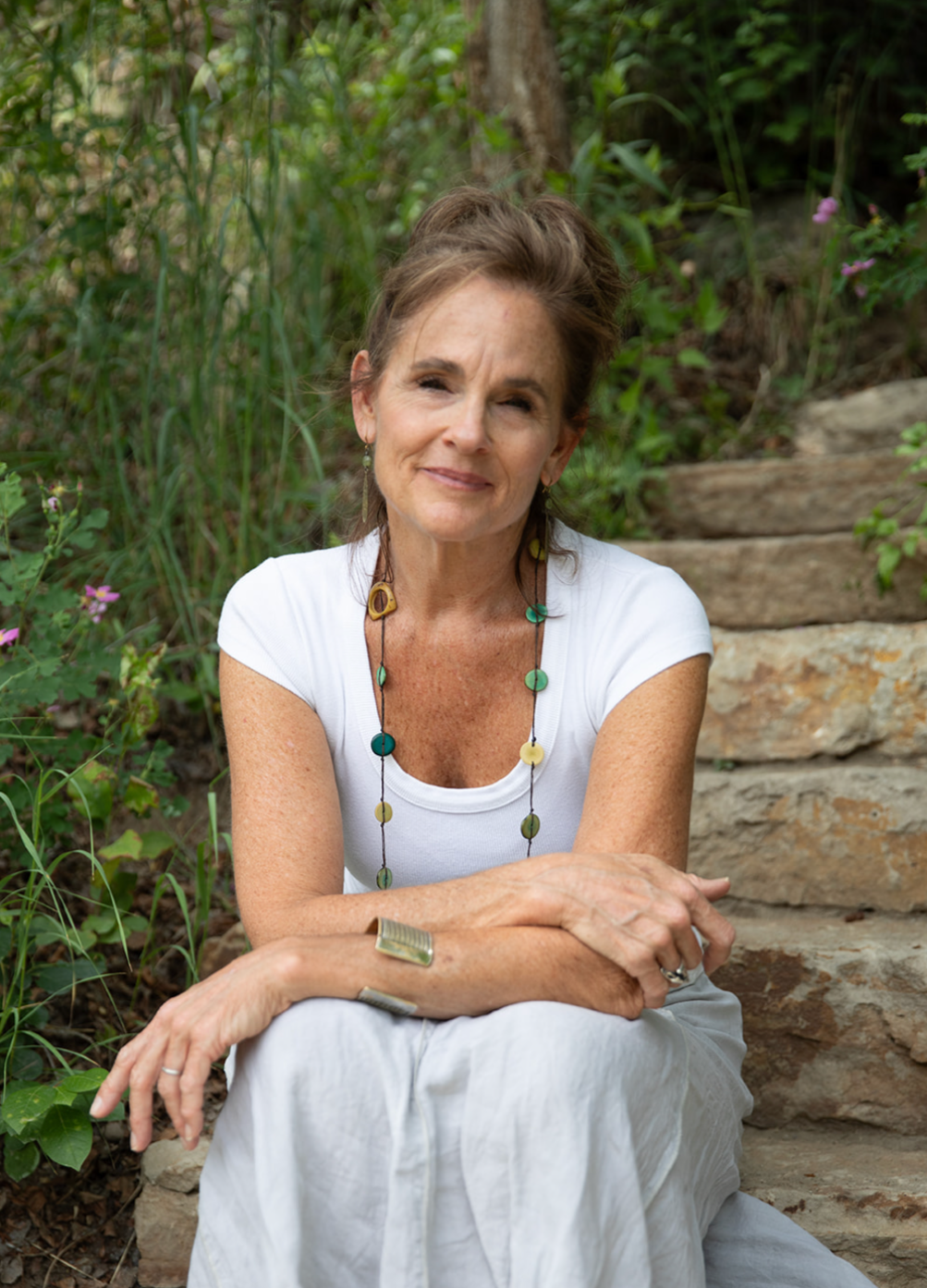
Jennifer, the founder of Honest Heart Journeys, is a woman wholeheartedly embracing the ongoing journey of self-awareness, growth, and deep, authentic connection. She has found her calling in celebrating women’s unique gifts through shared restorative experiences.
By creating spaces where women can return to themselves, find clarity, and build healing sisterhood, Jennifer began HHJ as both a movement toward a more intuitive, collaborative world and a foundation for trusted, lifelong friendships.
Your Support Matters
Have a friend who might be interested in a journey with us? Please feel free to share!
If a friend forwarded this to you, please Subscribe Here to join our community!