
Cultivating Curiosity: Open Yourself to Slovenia
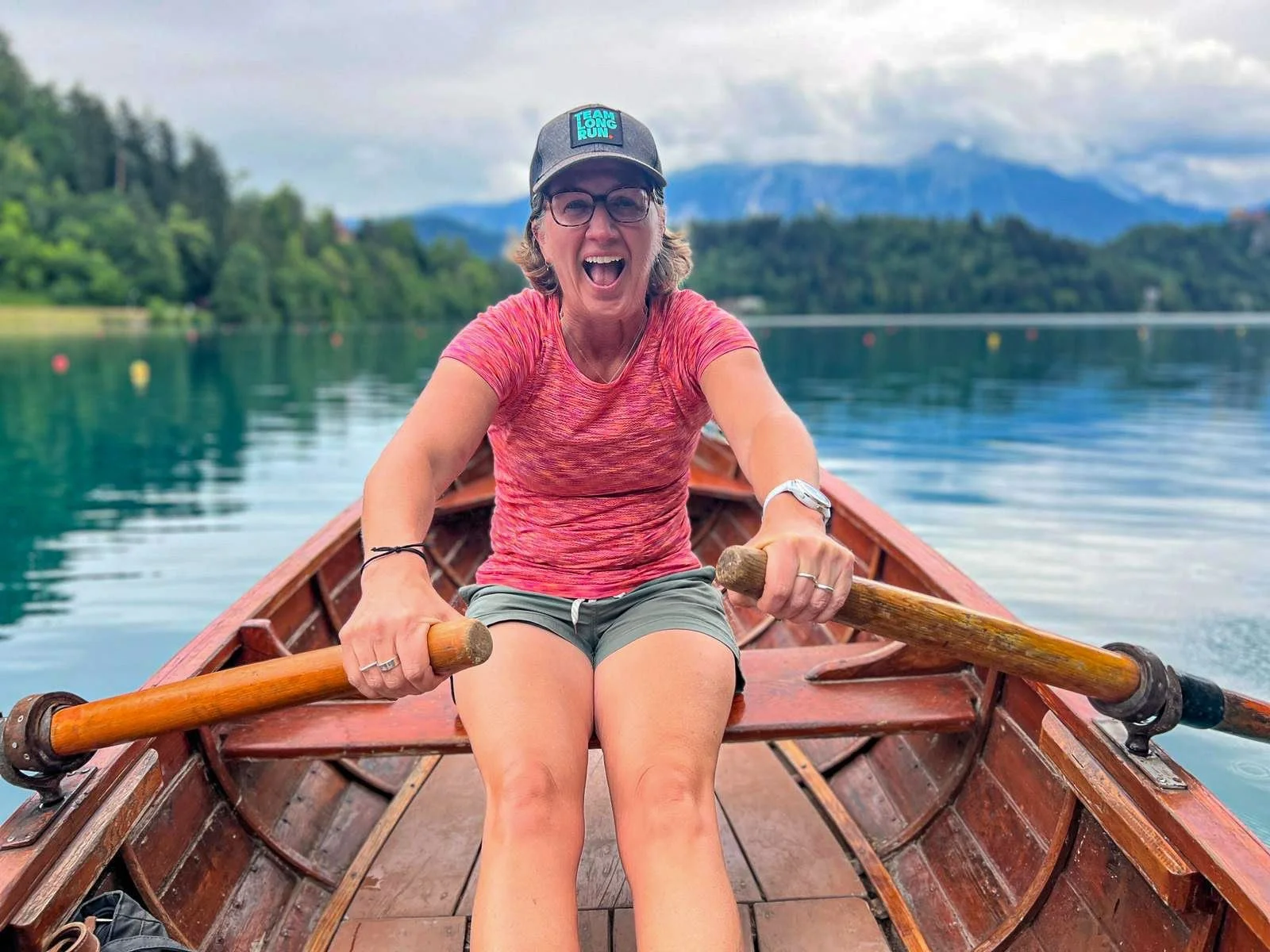
Inspiration happens on the ragged edge of curiosity and discovery.
These energies converge in Slovenia—that fairytale gem of a country brimming with precariously perched castles, riverside cafes, rolling landscapes and rich flavors reminiscent of Tuscany, and a brief coastline. And in such inspired places you can be assured of inspiring people too.
And there’s more good news about this ragged edge: inspiration easy, natural in Slovenia. In this Central European country I can breathe better, even see more clearly—of course, that has a lot to do with the mountain air of the Julian Alps. Each stunning sight impels me to pause, and in that moment I’m poised to hear myself more truly. In this space of peace I have discovered how to connect with the landscape, the people I’ve met, and myself.
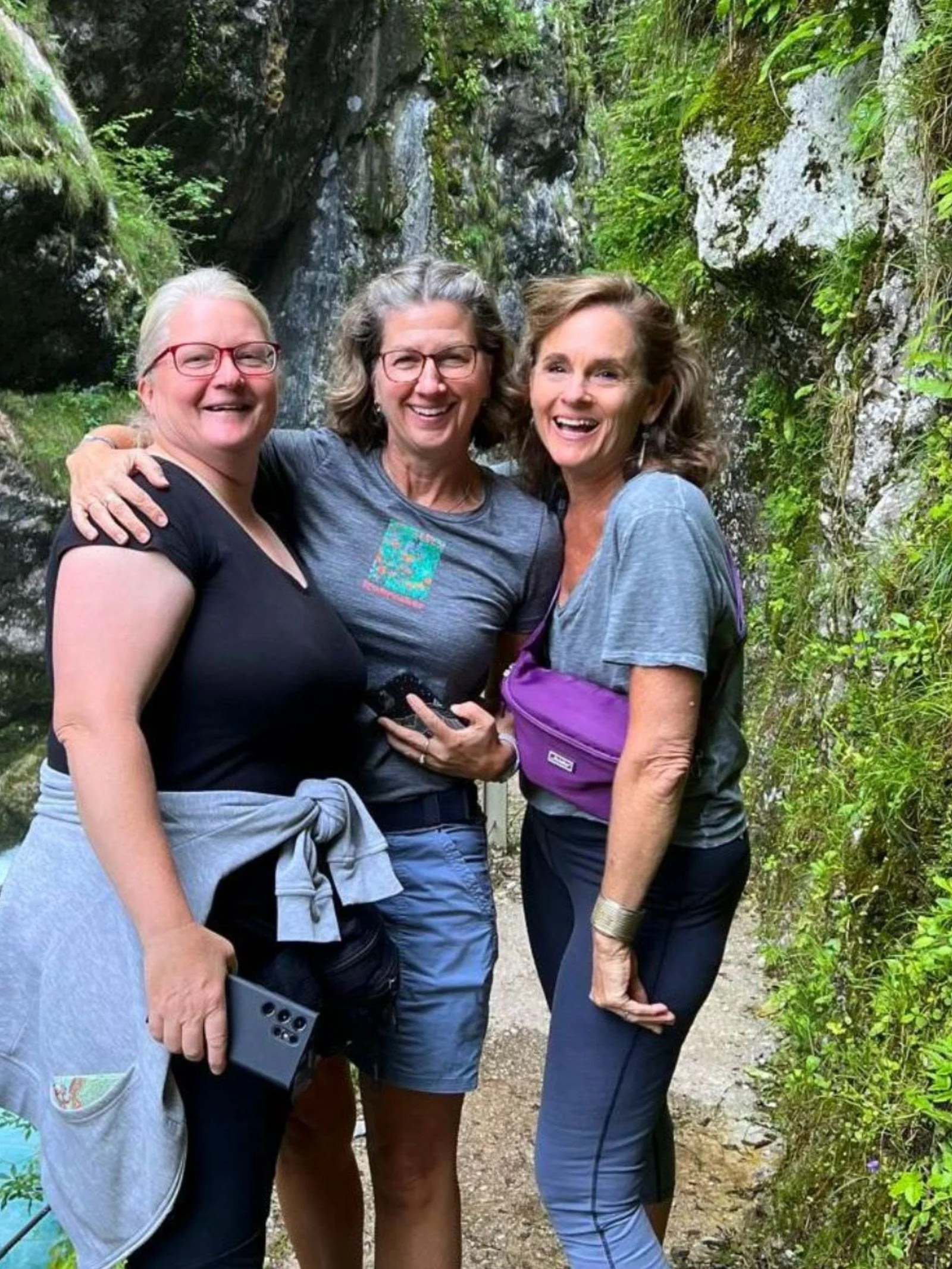
So you see, Slovenia doesn’t leave you where it finds you. Since I first landed in the summer of 2012 as a student, I’ve traveled as literature and culture professor and as co-leader of a perfect-sized intergenerational group of women who wanted to be the first of their friends to discover this country that’s bigger than only three U.S. states.
Shifting Scenes, Shifting Borders
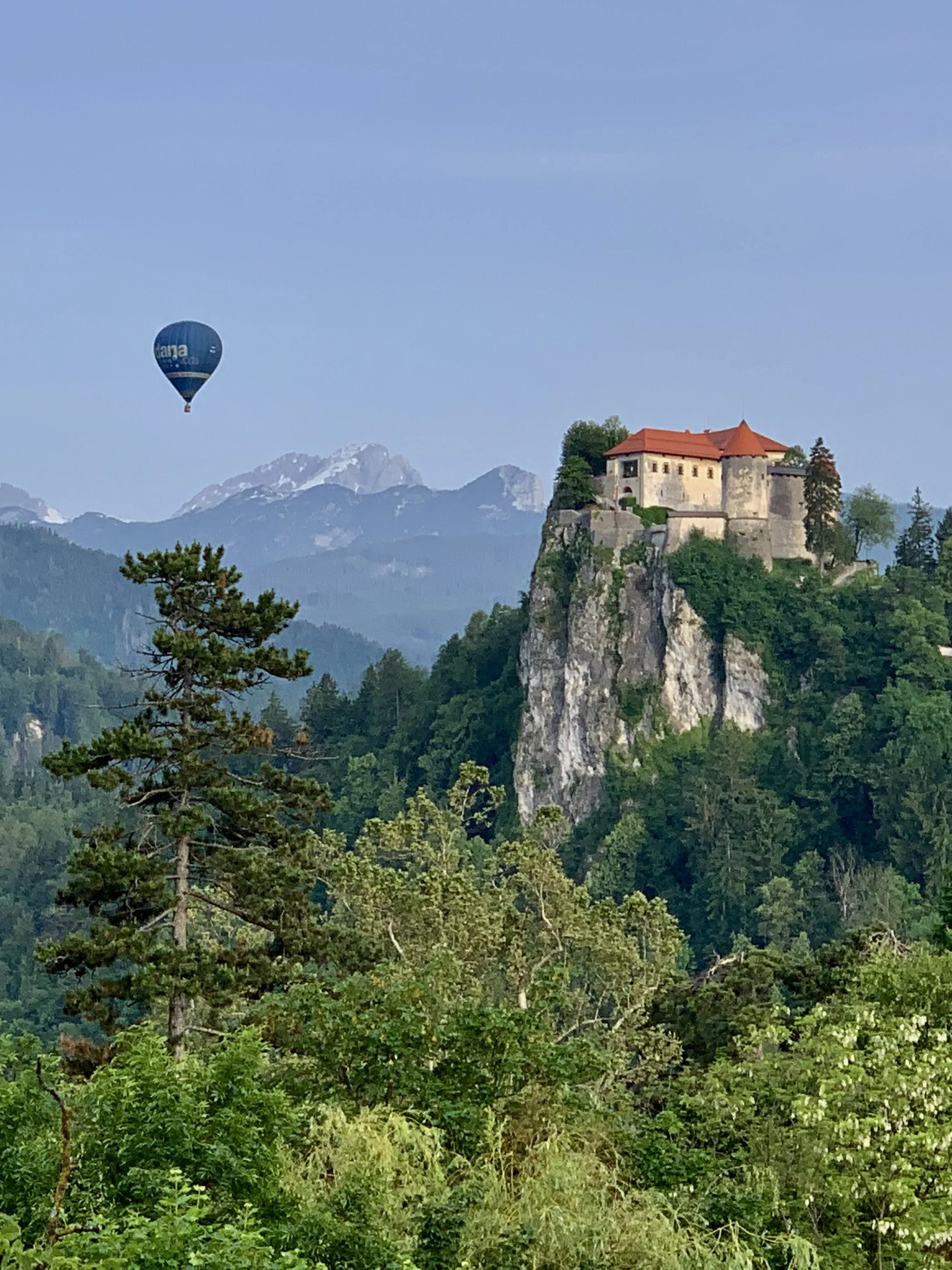
As a peachy-pink dawn rises over the belltower of the Baroque church on Bled Island, the pletna boats with striped awnings are docked in their boathouses on the shore. If you’ve ever seen a photo of Slovenia, you’ve seen Lake Bled and this tiny island.
Nearly 500 feet above the still waters is Bled Castle, keeping watch over the lake to the south and the Austrian Alps to the north. It also offers a great view of Triglav National Park, which has snowcapped peaks into the summer months.
And over any one of the nearby hills is one of the 11,000 keepers of the prized Carniolan bees. One of these is Kralov Apiary Bled, where after seeing the hives in action, visitors can sample honey everything—cookies, schnapps, and more honey flavors than you knew existed, such as linden, acacia, and buckwheat. For a bonus, you can sign up to make your own beeswax candle with Danijela, one of many Slovenes sharing a distinctly local traditional practice with curious visitors.
But don’t linger too long in Bled. There’s so much more to see, ponder, and connect with in a country of mountains, plains, underground caves, and Adriatic Sea beaches.
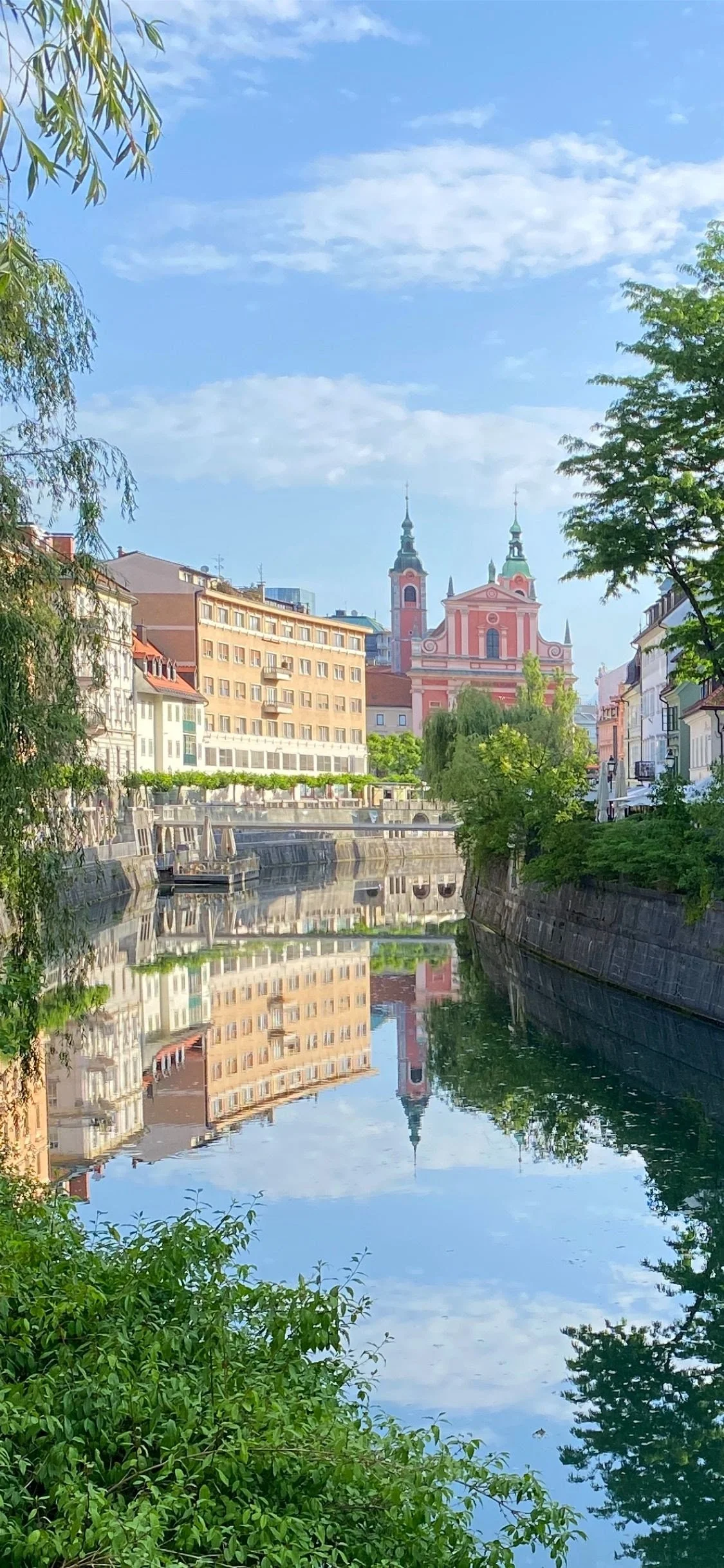
About 45 minutes by car to the southeast is Slovenia’s capital, which is hard to call a city since it continues the fairytale theme, especially the city center.
As the scrubbed cobblestones of the capital Ljubljana glisten in the same dawn light along the Ljubljanica River, university students are finally sleeping. Again a castle towers above, casting a shadow over Prešeren Square—named for the country’s historically most treasured national poet—until the sun peeks over the tower.
Take the funicular from the market square to Ljubljanski Grad, or Ljubljana Castle, for more history and context—and another great view of the Alps.
A Cobbled-Together History
Ljubljana wasn’t always reminiscent of fairytales, as it spent much of its history under the rule of the Romans, Napoleon, and Austrian and Hungarian emperors and empresses.
In June 1991, Slovenia was the first Yugoslav republic to declare independence. Quick history: Yugoslavia was a country of six republics—Slovenia, Croatia, Bosnia and Herzegovina, Serbia, Montenegro, and Macedonia—that existed for much of the 20th century as a socialist state aligned neither with the Western allies nor the countries behind the Iron Curtain. It disintegrated in the 1990s over years of complicated and violent fighting. Slovenia’s 10-day war was short but not without trauma.
Slovenia, followed immediately by Croatia, set the trend of independence that eventually led to the countries of today. It also leads the charge in making a mark in the world beyond its borders.
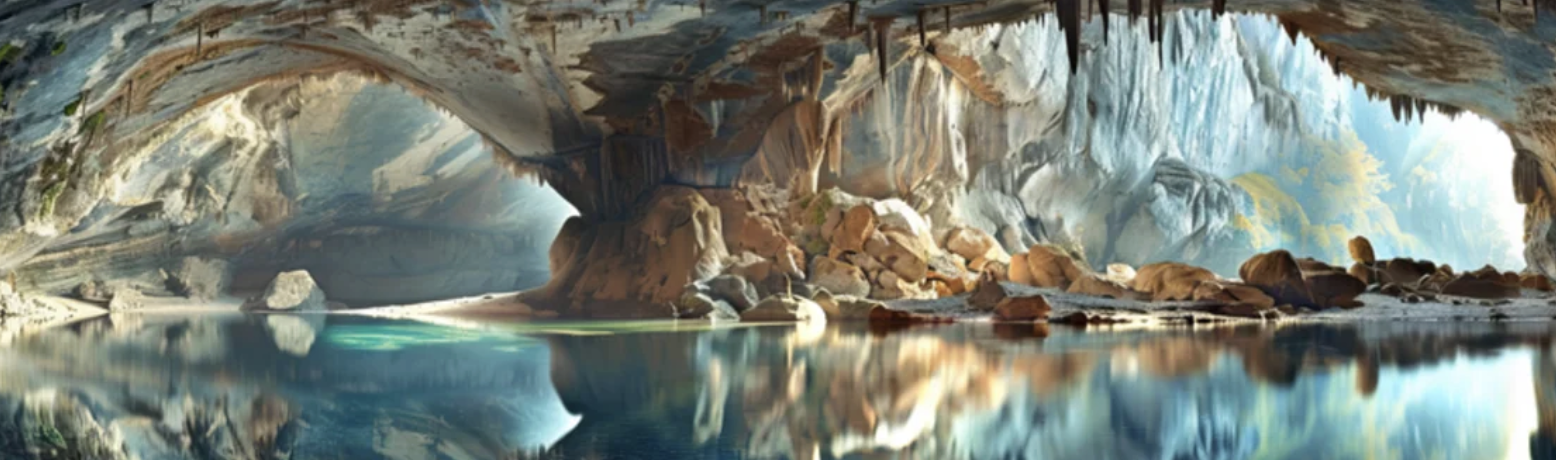
But first, beneath the borders. Skocjan Caves are in a UNESCO World Heritage Site that includes more than six kilometers of passages, not all publicly accessible. Highlights in these underground spaces: a river runs through them and roars through huge caverns reminiscent of Lord of the Rings.
The People
So yes, Slovenia is small—only 2 million people—but Slovenes are big in the world. And they are outsized performers in international sporting events. Check it out.
The first Olympic gold medalist in women’s sport climbing was Janja Garnbret in Tokyo 2021. She repeated in Paris in 2024.
The winner of the grueling men’s Tour de France race for three of the last five years was Tadej Pogacar, now just 27 years old! His girlfriend, Urska is a world-class cyclist too.
Racing to the ocean depths is free diver Alenka Artnik, who set her most recent world record in July 2025—123 meters with a monofin and no oxygen tank!
Did you see the Prevc siblings score gold in ski jumping at Milano/Cortina Olympics earlier this year?
Luka Dončić is a regular headline maker on the LA Lakers, though he entered the NBA as a Dallas Maverick, where he was an annual All-Star.
Are you curious about why they’re so successful? So driven? And why so many of the successes are women? It’s worth asking the people you meet in Slovenia about firsts they’ve celebrated as Slovenes.
Maybe you can pop into Chef Ana Roš’s restaurant Hiša Franko in Kobarid—the first 3-star Michelin restaurant in Slovenia, to taste—I mean ask—for yourself.
Or in Ljubljana you might run into a tour guide named Minka, the first Slovene woman to reach the North Pole, when she was 26. She also demonstrates the complications of Yugoslavia—and incredible resilience. Her mom is Croatian, her dad is Bosnian, and she was born in Slovenia when it was part of Yugoslavia. During the wars in the 1990s she lost much of her extended family in the fighting.
Slovenes are resilient, and Minka, a serial entrepreneur, is no exception.
Will you fall for Slovenia?
Where to? Truly the hardest part about visiting Slovenia is deciding which parts to visit.
Lovers of Slovene and English like to point out that SLOVENIA is the only country with LOVE in its name.
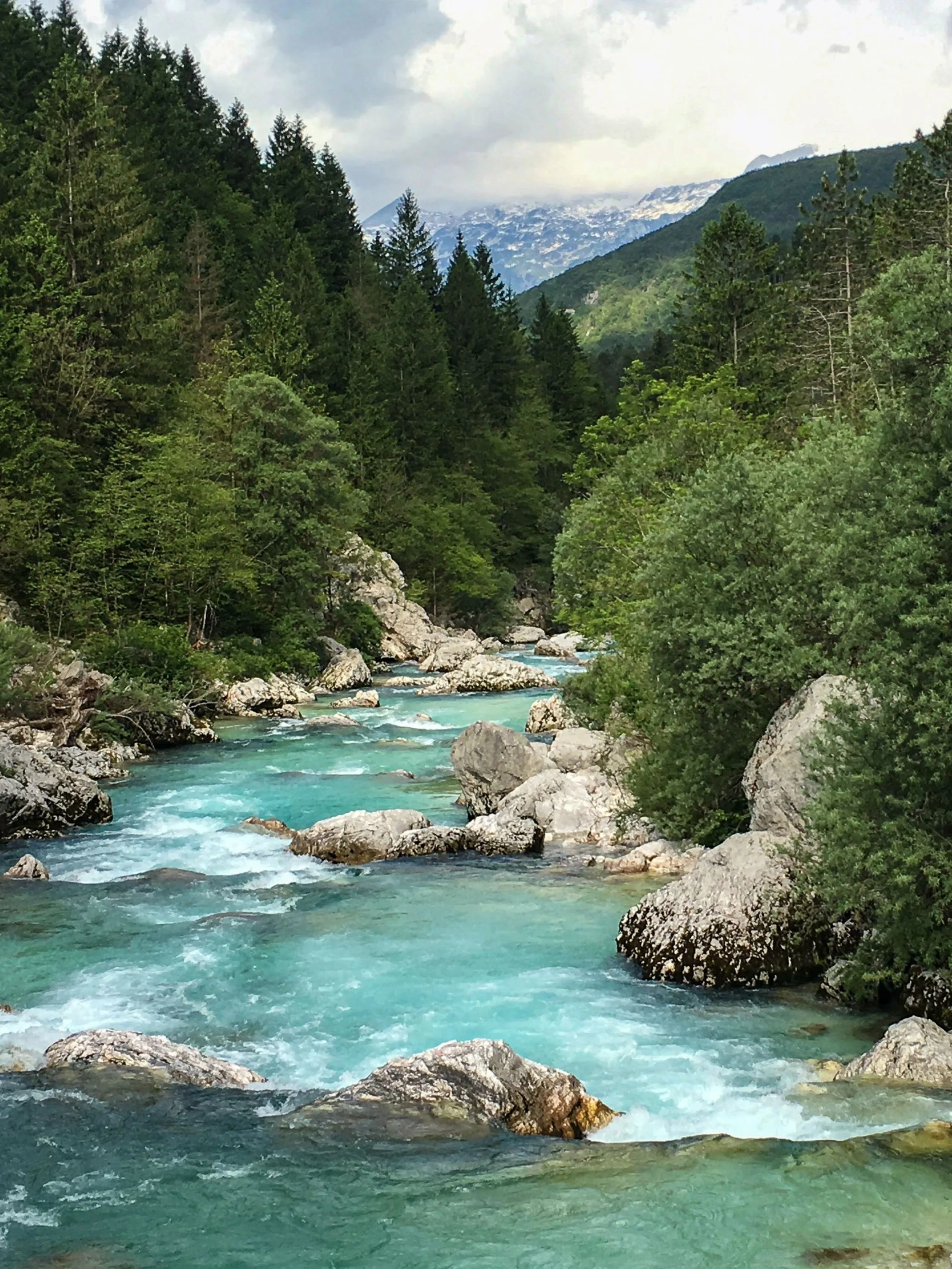
Lovers of color—and adventure—shouldn’t miss the icy turquoise ribbon of the Soča River wending its way from its source in the Julian Alps, through steep ravines and wide valleys, until it empties into the Adriatic Sea in nextdoor Italy.
There are the ski slopes at Rogla, or the pedagogical tree house in Celje’s city forest. Or maybe you’d like to visit Maribor, with the world’s oldest producing grapevine—400 years!—near Hungary.
There’s an “it factor” to Slovenia. A bit of magic is embedded in the spaces, the people, and the overall vibe. And travelers find themselves invited to unlock and exercise their curiosity—and in turn unlock parts of themselves they maybe haven’t accessed in a while.
Slovenia offers space to observe, experience, and just be. Slovenia is a place where there’s nowhere to go wrong.
If curiosity is a proven pathway to inspiration and, in turn, resilience, then what approach will you take?
Watch for an upcoming Honest Heart Podcast episode featuring Slovenian guide Minka Raquin! If this glimpse into Slovenia has stirred your curiosity, you’ll love getting to know this other genuine heart and spirit behind the experience.
2 Spots Left!
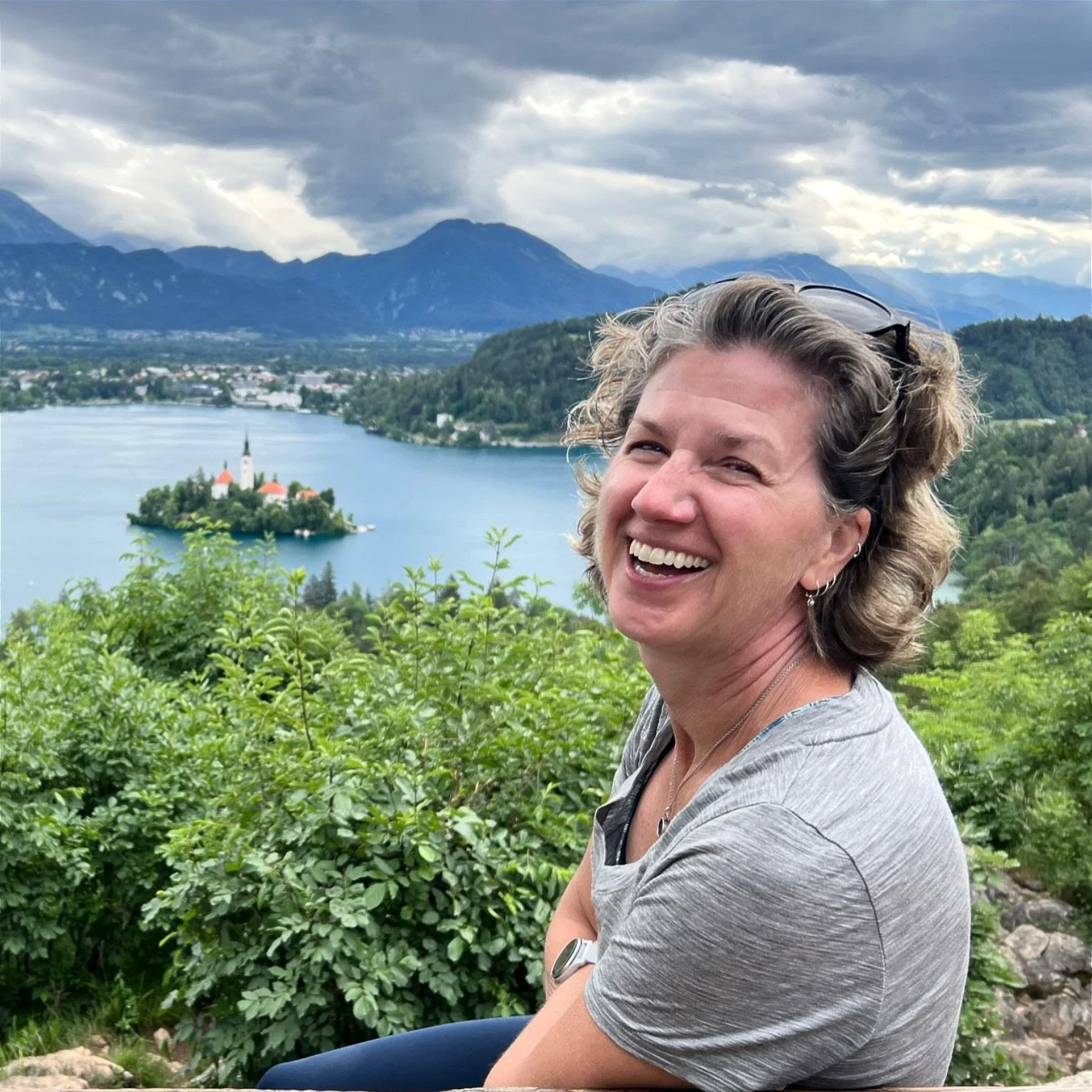
Ellen Sprague’s professional career has centered on writing, but her passion is language. She first visited Slovenia in 2012 and has been learning Slovene since 2015. Through stories and travel, she’s learned so much about the history and culture of Slovenia and its neighbors.
After that first visit in 2012, Ellen designed a month-long study abroad program for college students to Slovenia, Croatia, and Bosnia & Herzegovina, which she led three times in 2017, 2019, 2022. She debuted the 2024 Honest Heart Journeys trip and served as the trip scholar on the 2025 Principia Lifelong Learning trip to Slovenia and Croatia.
Your Support Matters
Have a friend who might be interested in a journey with us? Please feel free to share!
If a friend forwarded this to you, please Subscribe Here to join our community!